





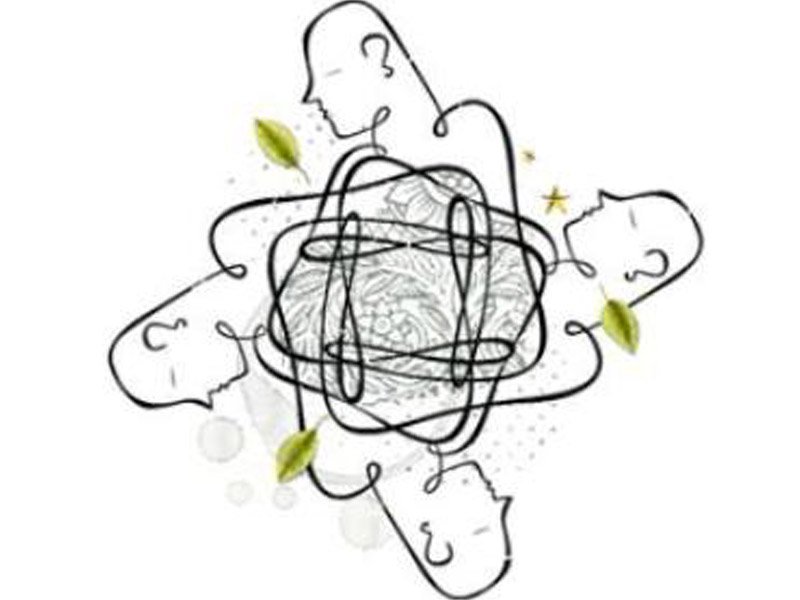
The relationship between form and content
The relationship between form and content is one of the central concepts of contemporary art. Traditionally, form was often understood as a vessel carrying content. In contemporary practice, however, form and content exist as inseparable elements that actively shape one another.
Form is not merely a collection of visual elements. Color, line, texture, scale, and composition function as active components that construct meaning. These choices determine how an artwork is perceived, interpreted, and felt.
Contemporary artists frequently avoid explicit explanation and instead embed meaning within form itself. This approach invites viewers to observe carefully and engage in personal interpretation. Tension, rhythm, and imbalance created through form often carry emotional and psychological significance.
This relationship becomes particularly evident in abstract art. In the absence of recognizable imagery, form becomes content. The interaction of colors, spatial organization, and compositional openness conveys ideas directly.
In contemporary art, form and content are not separate categories but two sides of the same process. This understanding encourages viewers to read artworks not only through what they depict but through how they affect perception and experience