

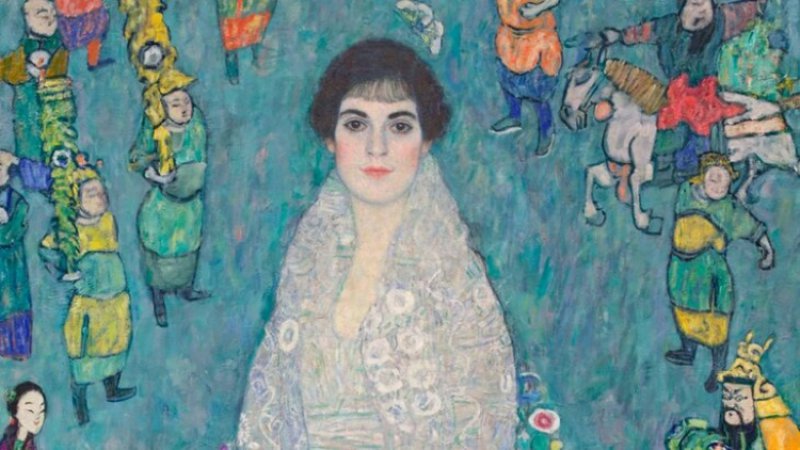
Global abstraction: the formation of a common visual language
Cultural memory has become one of the most powerful and persistent themes in contemporary art. Historical change, conflict, migration, and social transformation compel artists to reconsider their relationship with the past. This engagement, however, is rarely documentary or nostalgic.
In contemporary art, cultural memory is not illustrated—it is evoked. Artists convey collective experience indirectly through form, color, material, and composition rather than explicit narrative. Memory is presented not as fixed information but as a living, evolving process.
Abstraction and symbolic structures are particularly effective in addressing cultural memory. Within these forms, the past appears not as a stable story but as a dynamic layer shaped by individual perception. A single artwork may trigger different memories and emotional responses across viewers.
Artists working with cultural memory often maintain a critical relationship with tradition. The aim is not to idealize the past but to reinterpret it within contemporary realities. This approach allows memory to function as both preservation and transformation.
In contemporary art, cultural memory plays a central role in shaping individual and collective identity. It invites reflection not only on where we come from but on how we continue to live with inherited histories.
For IzGallery, cultural memory serves as a vital bridge connecting regional experience with global artistic discourse.