







The rise of emotion-based art
In recent years, contemporary art has witnessed a renewed emphasis on emotion-based approaches. After a prolonged focus on conceptual and intellectual strategies, many artists have returned to emotional experience—not as simple expression, but as complex and layered affect.
Emotion-based art does not illustrate feelings directly. Instead, artists convey emotion through color, gesture, rhythm, and materiality. This approach allows emotion to be felt rather than explained. The viewer’s initial response is often emotional before it becomes analytical.
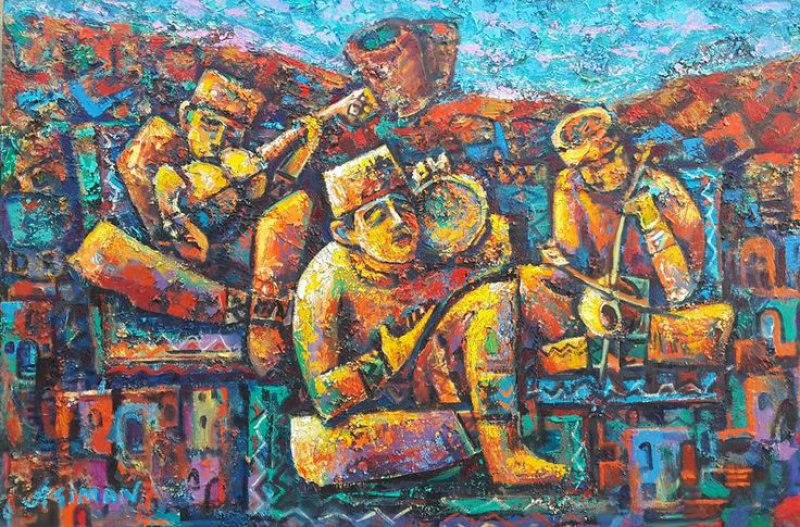
This direction is particularly evident in abstract and semi-abstract painting, where representational elements are minimized to foreground emotional intensity. Explosive color, unstable composition, and physical gesture reflect inner tension and transformation.
The rise of emotion-based art is closely linked to contemporary psychological conditions. In a world shaped by constant information flow, uncertainty, and social pressure, art offers space for emotional release and reflection. It allows viewers to confront their own internal states.
Rather than opposing intellectual depth, emotion-based practices complement it. Emotion and thought coexist, creating artworks that engage viewers on multiple levels.
For IzGallery, emotion-based art represents a vital direction that fosters direct and authentic connections between artwork and audience.