Intuition as a guiding principle
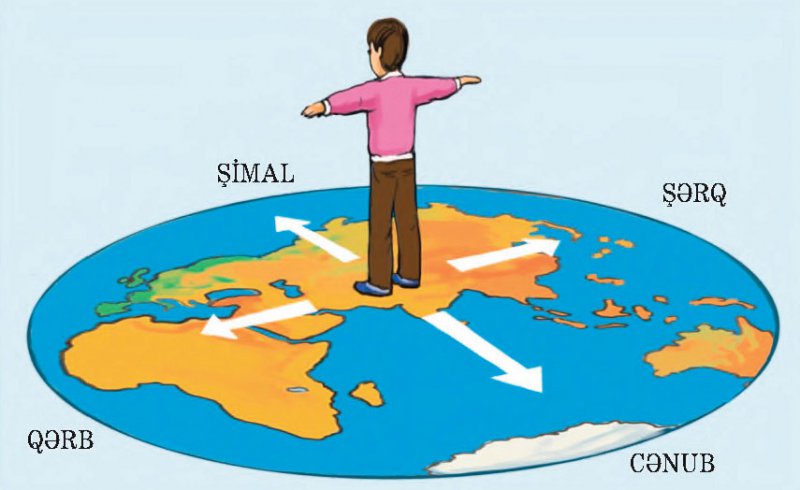
The visual dialogue between East and West has become increasingly significant in contemporary art. While globalization and information flow have brought these cultural spheres closer, their aesthetic and philosophical differences generate productive tension within artistic practice.
Traditionally, Western art has emphasized structure, form, and individual expression, whereas Eastern visual culture has prioritized process, rhythm, and inner harmony. Contemporary artists are less interested in opposing these approaches than in exploring the points of intersection between them.
This dialogue often unfolds through abstraction. Abstract visual language provides a shared platform where Eastern meditative sensibilities and Western expressive energy can coexist. The use of color, spatial openness, and rhythm becomes central to this synthesis.
In contemporary art, the East–West dialogue prompts reconsideration of cultural identity. Artists no longer occupy fixed positions but create hybrid, layered forms of expression. This hybridity reflects the complexity of contemporary identity.
The dialogue also challenges power structures and dominant narratives. By presenting alternative perspectives, artists transform cultural exchange into a critical and reflective practice.
For IzGallery, the visual dialogue between East and West highlights how regional art can assert a distinct and meaningful presence within the global art context.